 bahasa indonesia
FK UNS Hosts the Launching of New Study Programs for PPDS and PPDSS in Central Java and Yogyakarta
 23/2/2026


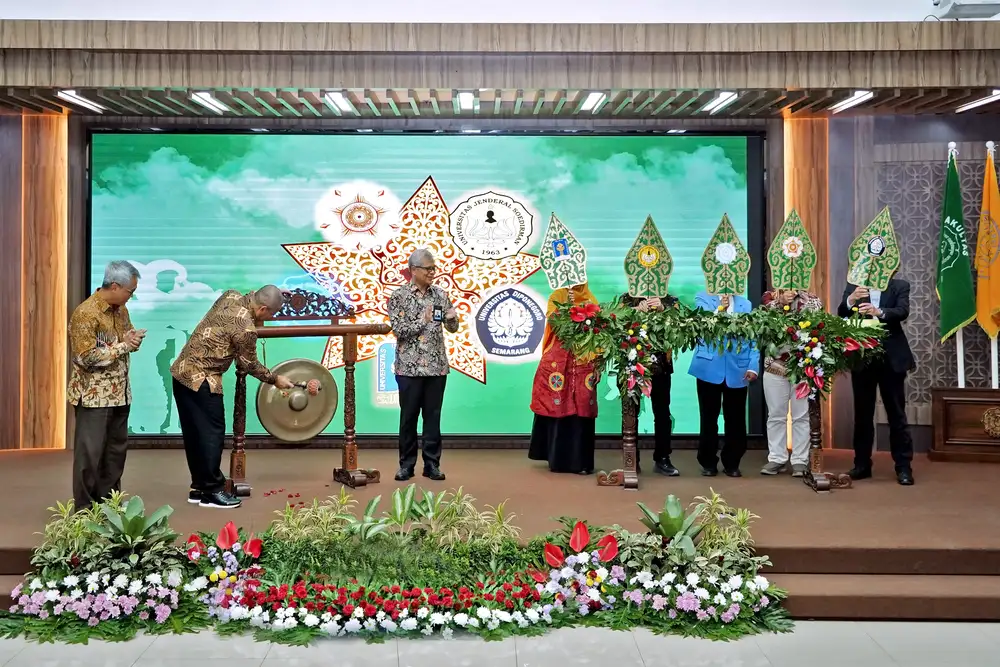
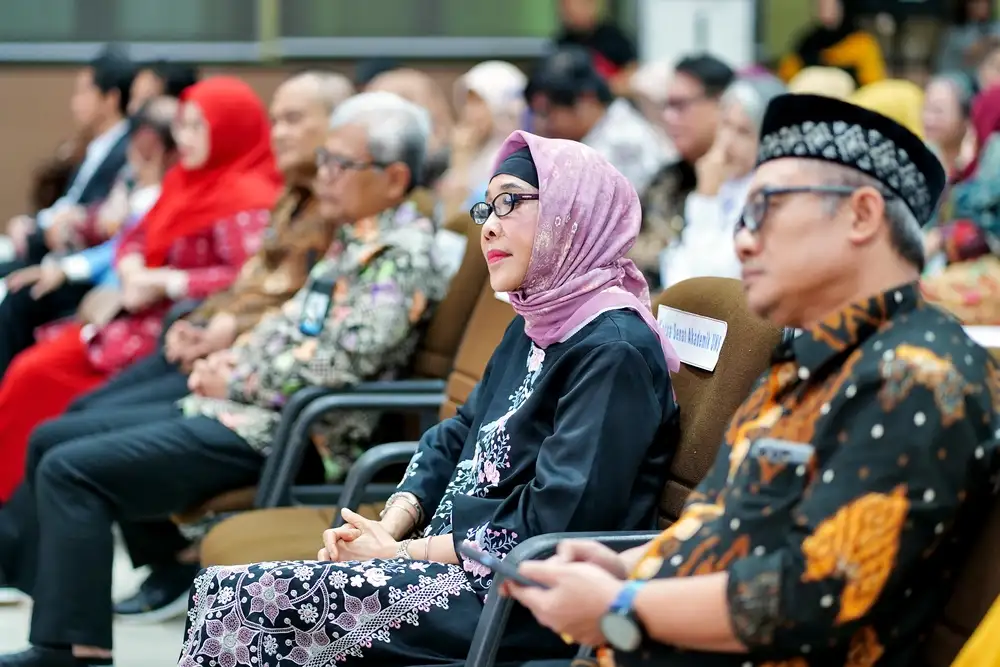
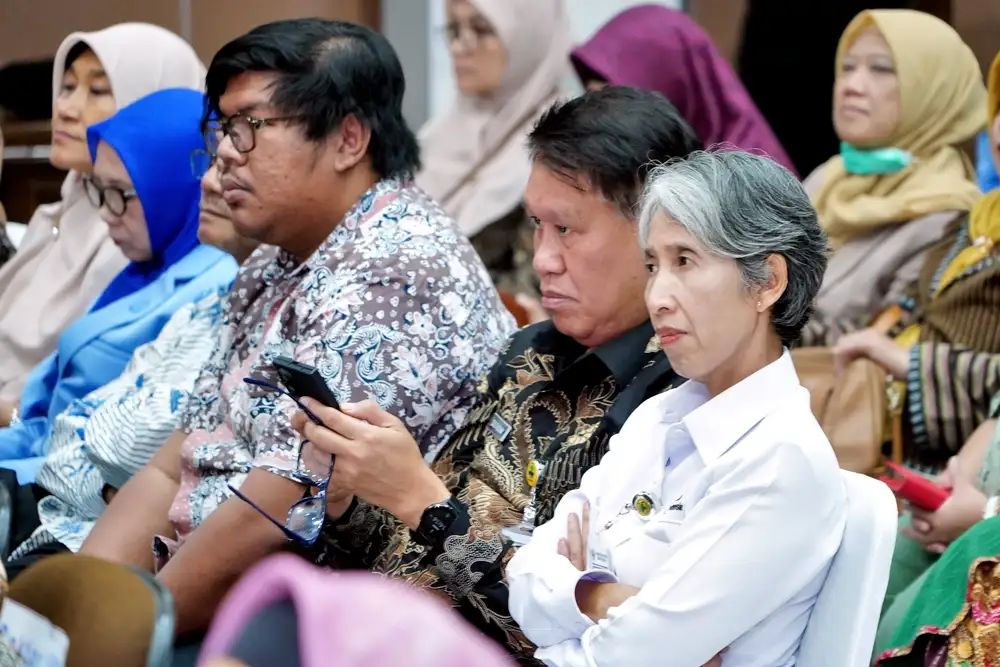
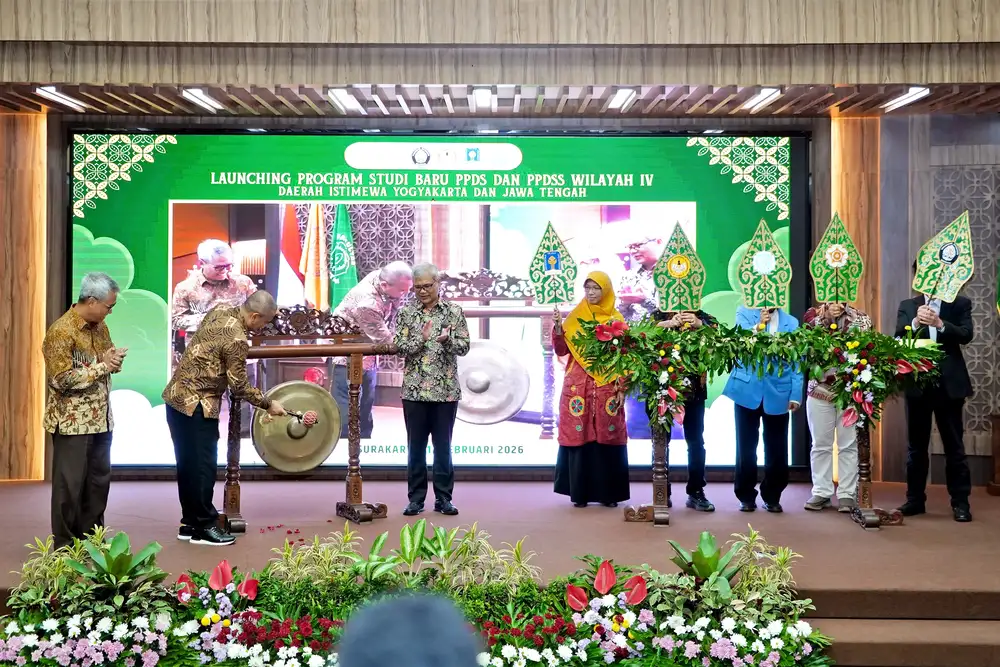
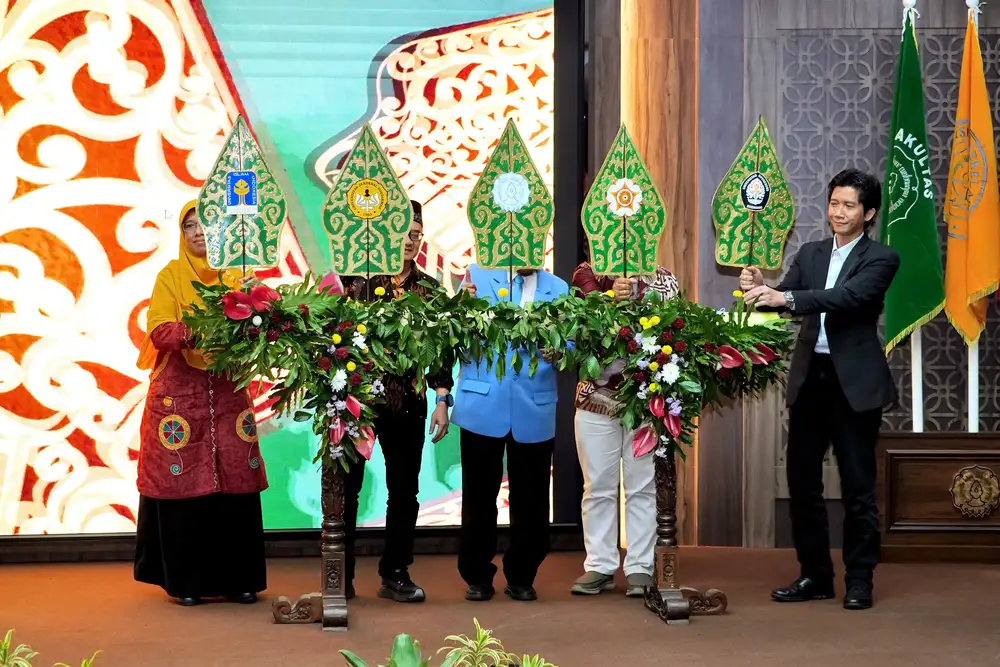
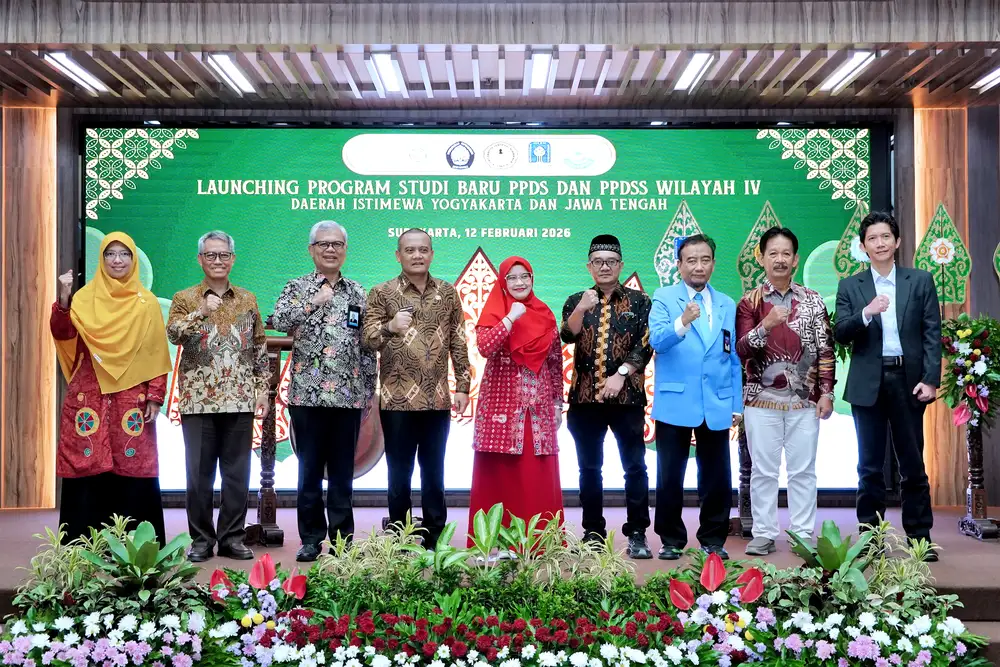
The Faculty of Medicine (FK) of Universitas Sebelas Maret (UNS) in Surakarta hosted the launch of the new Specialist Doctor Study Program (PPDS) and Subspecialist Doctor Study Program (PPDSS) for the Central Java and Yogyakarta Special Region (DIY) regions. Five universities participated in the event: Universitas Gadjah Mada (UGM), Universitas Diponegoro (UNDIP), Universitas Jenderal Soedirman (UNSOED), Universitas Islam Indonesia (UII), and Universitas Sebelas Maret (UNS) in Surakarta.
Present at the event were the Governor of Central Java, Commissioner General of Police (Ret.) Drs. Ahmad Luthfi, S.H., S.St., M.K.; Expert Advisor to the Minister of Education and Technology and Head of the Higher Education Policy Study Team for Medical and Health Personnel, Prof. Dr.med. Tri Hanggono Achmad, dr., M.Si.; and representatives from the five universities launching the new PPDS and PPDSS study programs for the Central Java and Yogyakarta Special Region. The activity was held at the Auditorium of the Faculty of Medicine (FK) UNS, Thursday (12/2/2026).
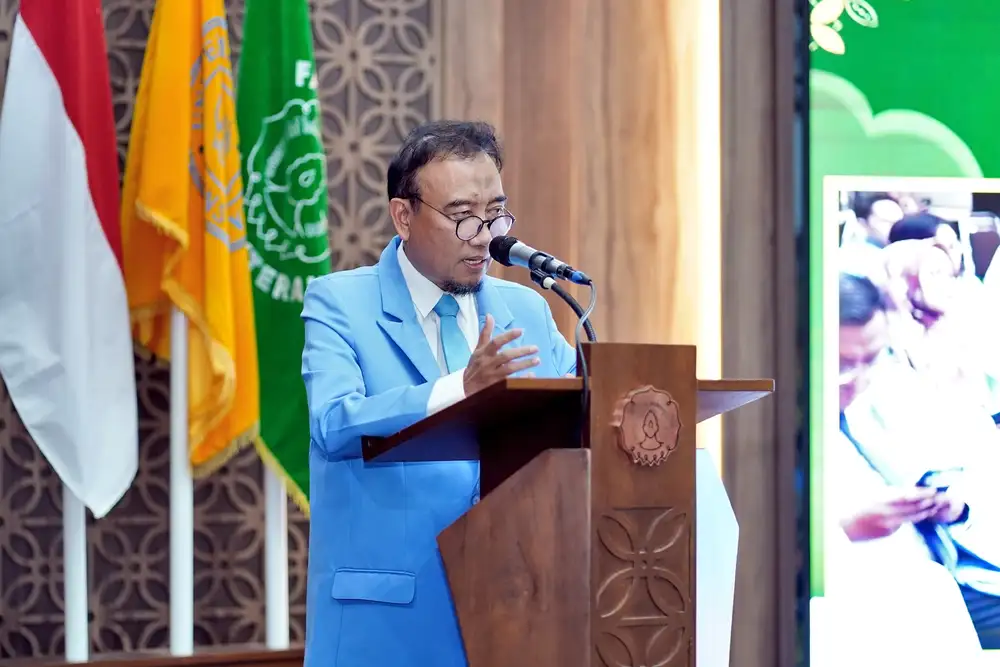
In his report, the Dean of the Faculty of Medicine, UNS, Prof. Dr. Reviono, dr., Sp.P(K), stated that there are four steps to address the shortage of specialist doctors. The first is to establish new study programs, as implemented by these four universities. In Central Java and Yogyakarta, 33 study programs will be launched. These new programs are expected to increase opportunities to contribute to the specialist services needed in the 3T (Underdeveloped and Remote Areas).
 |
 |
 |
(Swipe for the next photos)
The other three steps include deploying senior residents to 3T (Underdeveloped and Remote Areas), universities becoming partners with Primary Teaching Hospitals (RSPPU), and increasing the quota or capacity of residents in existing PPDS (Regional Doctors) programs. The combination of these four steps is expected to contribute to addressing the shortage of specialist services, especially in 3T (Underdeveloped and Remote Areas).
"Efforts to address the shortage of specialist doctors are certainly a concern for all of us here, involving local governments, universities, hospitals, and so on. We must implement this kind of coordination," Prof. Reviono concluded.
Expert Staff to the Minister of Education, Science, and Technology and Head of the Higher Education Policy Study Team for Medical and Health Professionals, Prof. Dr. med. Tri Hanggono Achmad, dr., M.Si., emphasized that the opening of this new Study Program (Prodi) is not simply to increase the academic quota, but rather is part of a broader strategy to meet the national healthcare workforce needs.
"The government is targeting accelerated production of specialist and subspecialist doctors to meet national needs. This collaboration between universities in Central Java and Yogyakarta is clear evidence of academic synergy in ensuring the nation's health," Prof. Tri Hanggono said.
He added that these acceleration efforts must continue in tandem with educational quality assurance, strengthening the clinical learning system, and meeting graduate competency standards. According to him, the increase in the number of specialist doctors must be accompanied by superior quality to meet the increasingly complex challenges of healthcare services, especially in the 3T (frontier and remote) regions and areas with limited access to medical services.
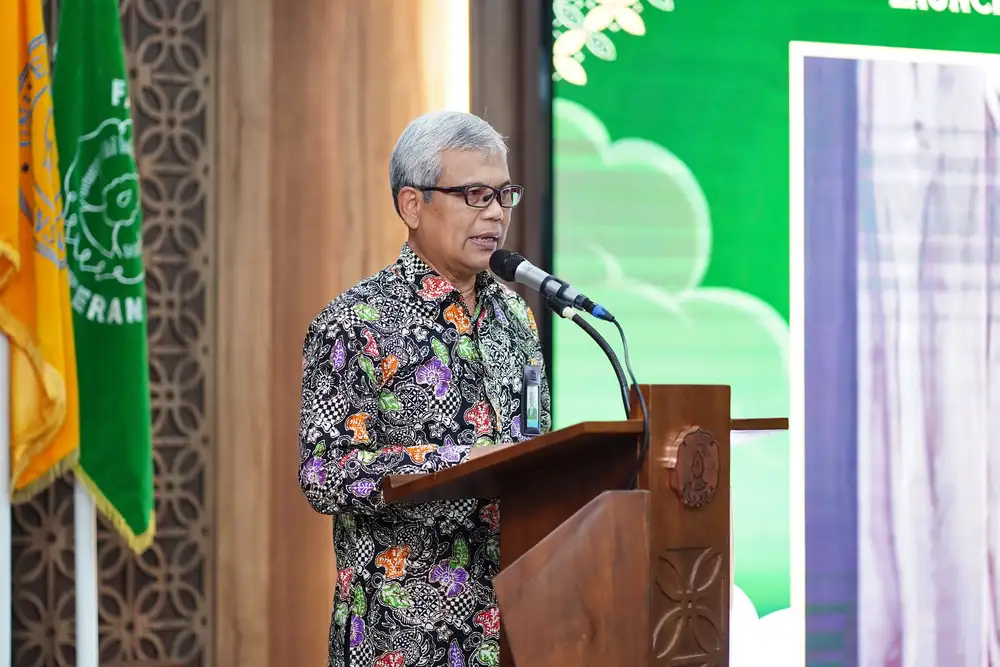
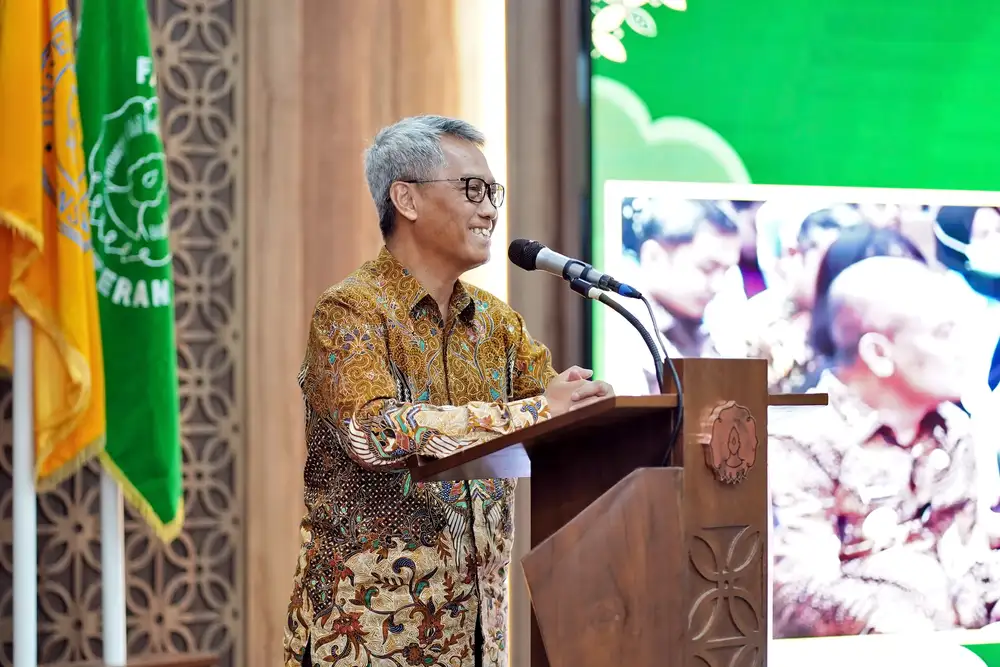
In his remarks, UNS Rector, Prof. Dr. Hartono, dr. M.Si., stated that this activity represents a crucial opportunity to strengthen our shared commitment to increasing the availability of specialist and subspecialist doctors in Indonesia.
 |
 |
 |
(Swipe for the next photos)
"It is an honor for UNS to be trusted to host this strategic activity. The launch of the new PPDS and PPDSS programs is a concrete step in supporting efforts to meet the national need for specialist doctors," he said.
The UNS Rector highlighted the significant challenges facing Indonesia as an archipelagic nation with an uneven distribution of healthcare workers, particularly in the Frontier, Outermost, Disadvantaged, and Transmigration (4T) regions. According to data from the Indonesian Ministry of Health, Indonesia is currently only able to produce around 2,700 specialist doctors per year, while the ideal national need is around 32,000 specialists per year.
This situation demands the acceleration and expansion of specialist and subspecialist medical education capacity so that people across the country have equal access to quality, advanced healthcare services. On this occasion, five universities in Central Java and the Special Region of Yogyakarta jointly launched 33 new study programs. Gadjah Mada University (UGM) launched six study programs, dominated by vital subspecialties such as Cardiology, Forensics, Pathology, and Pulmonology and Medical Rehabilitation. UNSOED launched an Anatomical Pathology Specialist Program to strengthen diagnostic services, while UII contributed through its Clinical Pathology Specialist Program.
UNDIP made a significant contribution by opening 15 new study programs, including Urology, Orthopedic Surgery, Pediatric Surgery, and various subspecialties in Pediatrics, Obstetrics and Gynecology, Neurosurgery, Cardiology, and Anesthesiology.
As the host, UNS launched 10 new study programs, encompassing specialist and subspecialty areas. In addition to curative fields such as Plastic Surgery, Thoracic Surgery, and Ophthalmology, UNS also strengthens the fundamental aspects of health services through Primary Care Family Medicine Specialists and Clinical Nutrition, as well as a number of subspecialty programs in the fields of Surgery, Pediatrics, and Obstetrics-Gynecology.
The UNS Rector emphasized that specialist medical education is not merely a process of transferring medical knowledge, but also fostering character and a commitment to service. He stated that UNS, along with UGM, UNDIP, UNSOED, and UII, is committed to educating doctors who excel academically, are mentally resilient, and have a social conscience, ready to serve in remote areas.
UNS also expressed its hope that the regional government and representatives of the Ministry would provide support and guidance so that the launched study program can run optimally.
 |
 |
 |
(Swipe for the next photos)
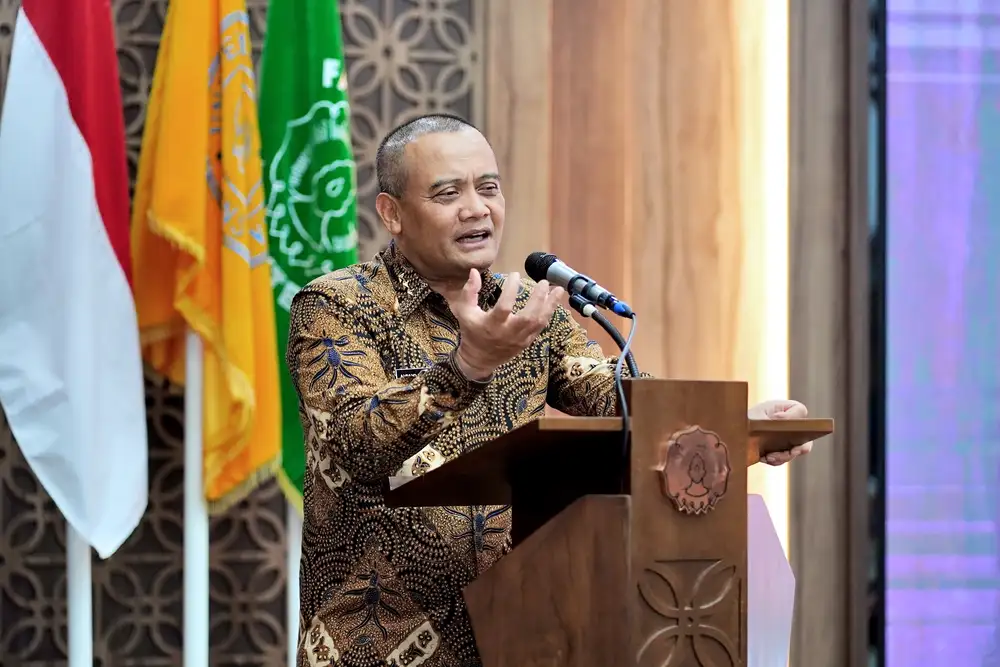
The Governor of Central Java, Commissioner General of Police (Ret.) Drs. Ahmad Luthfi, S.H., S.St., M.K., emphasized that the basic needs of the people of Central Java are now focused on health, in line with the President's policy on free checkups and treatment.
As an effort to ensure equitable service distribution, the Central Java Provincial Government has introduced the Mobile Specialist (Speling) program. This service uses specialist doctors using medically equipped vehicles to reach remote villages, supported by provincial and district/city hospitals.
"So far, specialist doctors have been mostly located in cities. Many rural communities haven't experienced direct specialist services," Ahmad Luthfi mentioned.
The Governor also emphasized the importance of collaboration between the government and universities in strengthening health services. He hopes that the opening of specialist doctor programs at these five universities will accelerate the need for specialist personnel in Central Java. "The sooner we produce specialist doctors, the sooner rural communities will receive adequate services," he concluded.
 |
 |
 |
(Swipe for the next photos)
Humas FK UNS