 bahasa indonesia
The Head of the Indonesian Food and Drug Authority (BPOM RI) Delivered a Public Lecture on Herbal Medicine at FK UNS
 8/12/2025


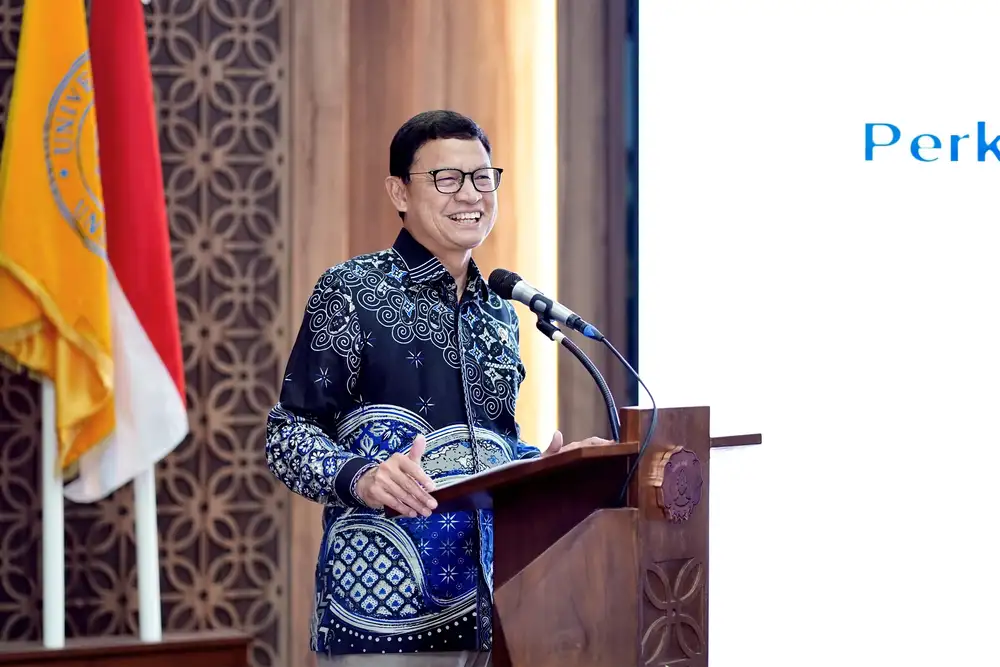
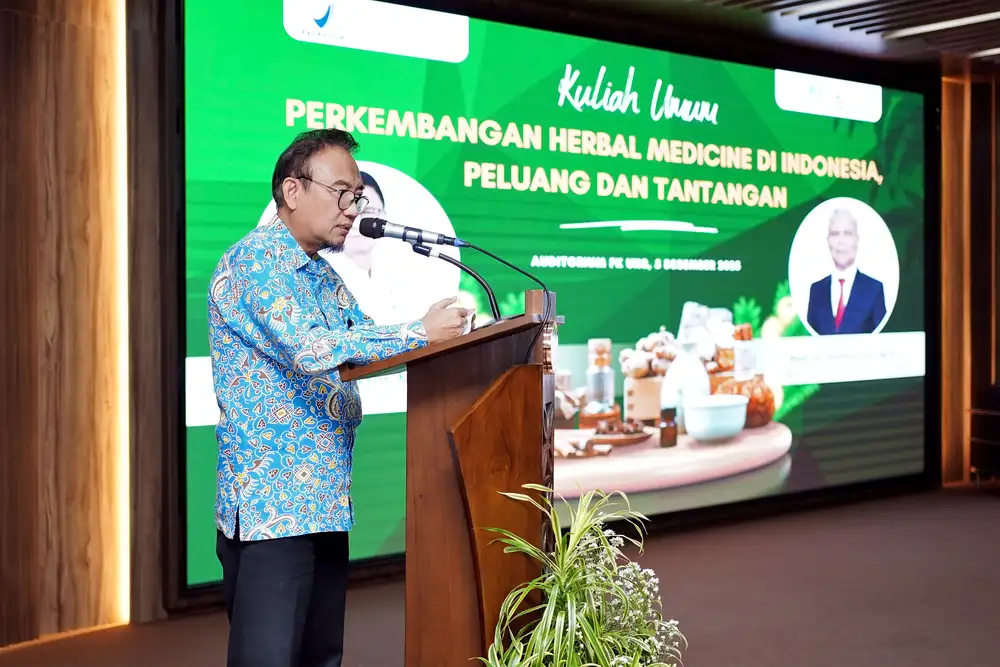
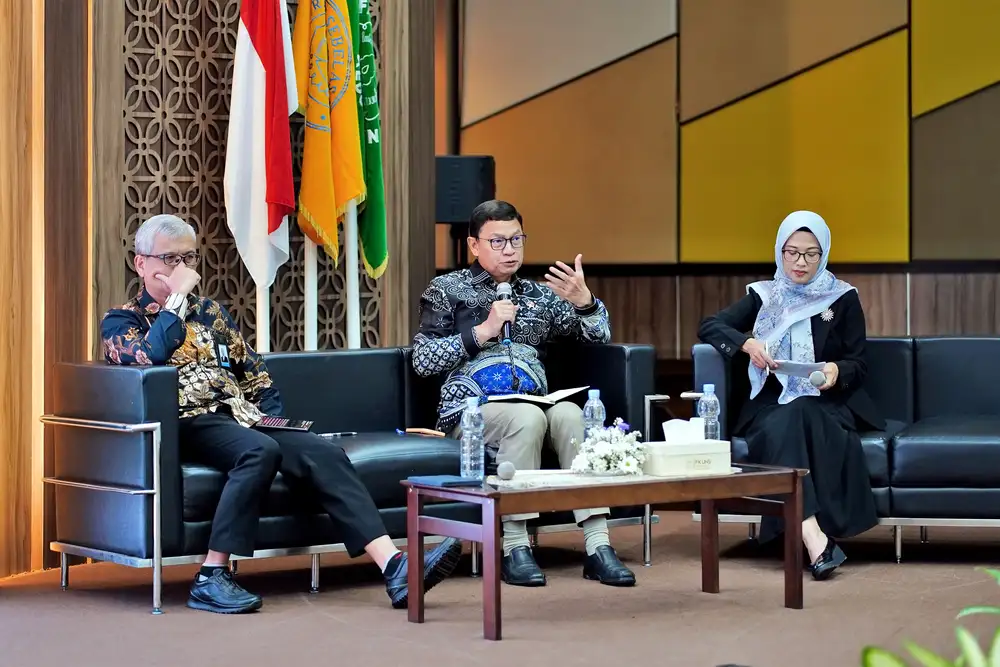
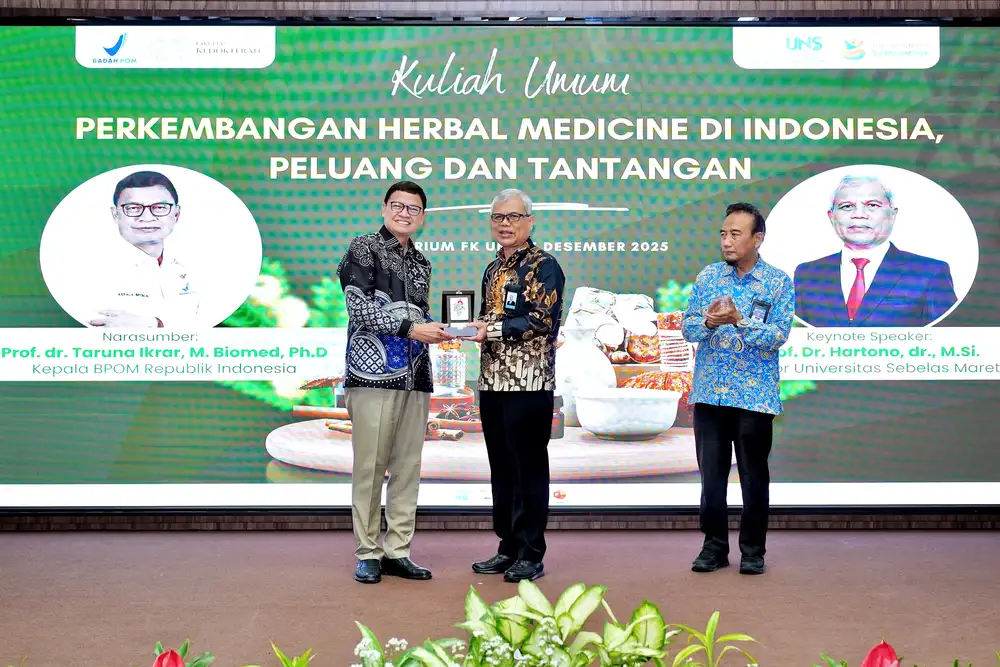
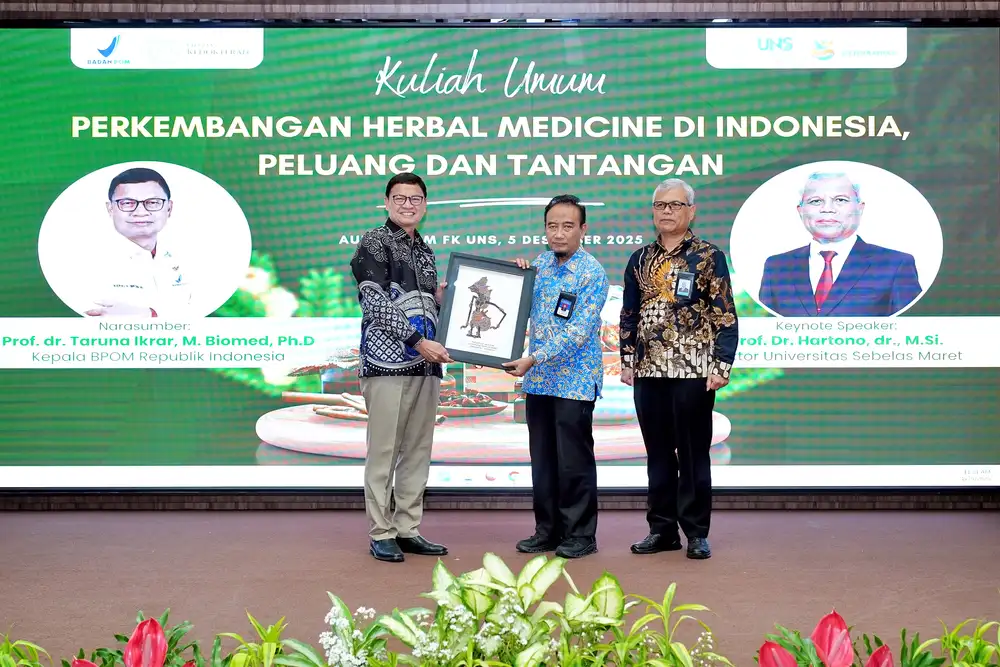
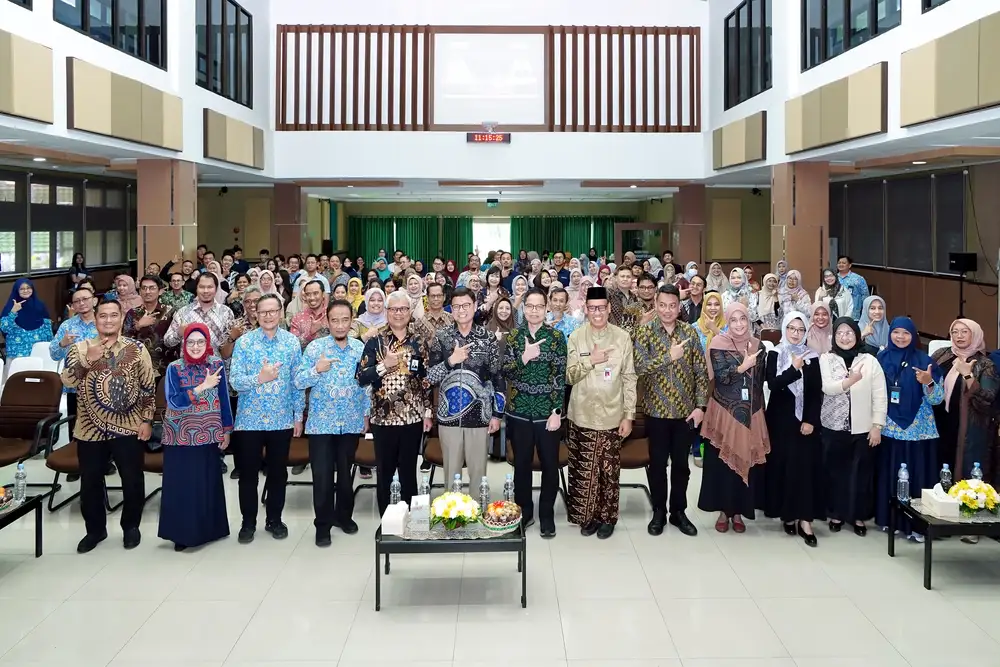
The Faculty of Medicine (FK) of Universitas Sebelas Maret (UNS) in Surakarta held a public lecture featuring the Head of the Indonesian Food and Drug Monitoring Agency (BPOM), Prof. Dr. Taruna Ikrar, M. Biomed., Ph.D., as the speaker. The public lecture, themed "The Development of Herbal Medicine in Indonesia: Opportunities and Challenges," was held at the FK UNS Auditorium on Friday (December 6, 2025) and was attended by 250 participants, consisting of students from the Undergraduate and Professional Medicine programs, as well as the Master's and Doctoral programs in Medicine.
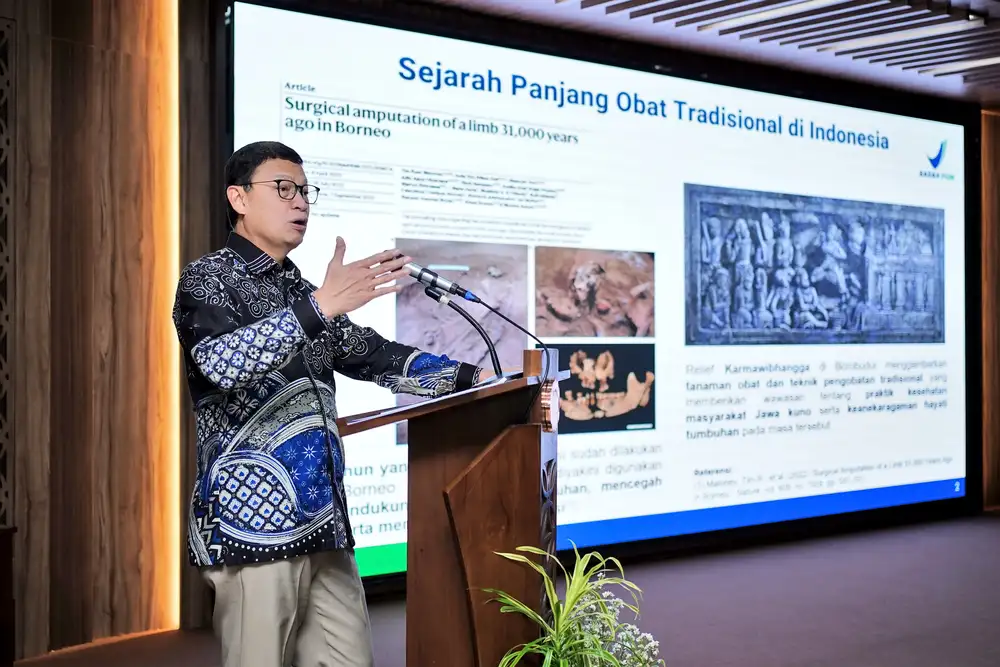
Prof. Taruna Ikrar stated that Indonesia is the second most biodiverse country in the world in terms of biodiversity potential. In fact, Indonesia's tropical forests harbor approximately 80 percent of the world's medicinal plants.
"Indonesia has enormous potential with its natural resources. Of the 31,031 plant species, 80 percent of the world's biodiversity is found in this country. However, of the 18,600 herbal medicines with distribution permits, only 72 have been upgraded to Standardized Herbal Medicines, and only 20 have become Phytopharmaca," Prof. Taruna Ikrar explained.
Prof. Taruna Ikrar stated that there are four main challenges still hampering the development of natural medicine in Indonesia. First, standardization is a fundamental issue. Everything from the quality of raw materials to the extraction process and to the identification of active ingredients still faces crucial technical obstacles. "The first challenge is, of course, standardization. From raw materials to extraction technology to obtain active ingredients. This remains a major obstacle," he mentioned.
Second, there is a lack of interest from researchers in developing sustainable herbal research. Many university studies are considered to stop at scientific publication without progressing to the development of products ready for industrial use. "The obstacles in this research are related to funding and the limited research and commercialization of phytopharmaceutical products," he explained.
 |
 |
 |
(Swipe for the next photos)
Third, there are challenges in production and industrialization. The process of scaling up production to become an industry capable of absorbing workers still requires stronger support. Furthermore, herbal products for use in healthcare facilities must meet the same requirements as chemical drugs.
"One of the obstacles is the regulation requiring registration in the drug formulary. This isn't a chemical drug. The government is working on revising it to accelerate the adoption of herbal remedies in healthcare," he explained.
Fourth, market access remains limited. The use of natural medicines by medical personnel and healthcare facilities is suboptimal because they are not yet fully included in the National Health Insurance (JKN) payment system, thus reducing the opportunity for utilization in healthcare services.
Prof. Taruna Ikrar expressed optimism that the development of natural medicine in Indonesia could be realized, given the country's vast potential and opportunities. He emphasized that the Indonesian Food and Drug Authority (BPOM) is ready to collaborate with universities to strengthen research, improve standardization, and encourage the adoption of herbal medicines in the healthcare industry.
"We are ready to support and collaborate as much as possible with universities, especially UNS," Prof. Taruna stated.
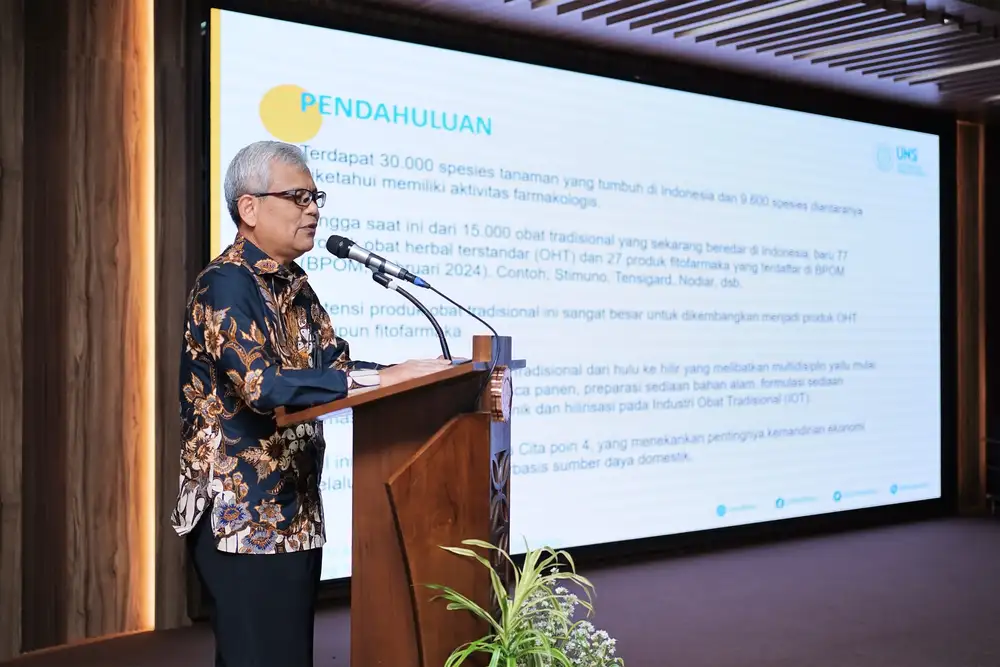
UNS Rector, Prof. Dr. Hartono, dr. M.Si., on the same occasion emphasized that UNS has prepared a grand concept through the establishment of a Center for Tropical Herb Medicine and Biomedical Engineering Development, integrated with UNS Hospital.
 |
 |
 |
(Swipe for the next photos)
UNS has significant potential for the development of Tropical Herbal Medicine and Biomedical Engineering. Among its facilities are the Faculty of Medicine, with its Integrated Medical Laboratory and Animal Experimental Laboratory, the UNS Hospital (Clinical Trials), the Faculty of Agriculture, the Faculty of Animal Science (Experimental Animal Laboratories), the Faculty of Engineering (Biomedical Engineering Laboratory), the Pharmacy Study Program in the Faculty of Mathematics and Natural Sciences (Pharmacy Laboratory/Natural Drug Preparation Testing), the 120-hectare Alas Bromo Special Purpose Forest Area (KHDTK) in Karanganyar Regency (Biodiversity Laboratory), the Tropical Herbal Medicine Study Center, the Biomedical Engineering Study Center, and the Memorandum of Understanding (MoU) and Cooperation Agreements (PKS) with PT. Sido Muncul, PT. Brigit Biofarmaka, PT. Deltomed, and others.
Prof. Hartono hoped that the Indonesian Food and Drug Authority (BPOM) can provide support from the early stages of research so that UNS research results not only end in publication but also meet the standards for Standardized Herbal Medicines (OHT) and Phytopharmaca.
"We hope that in the next 3-4 years, the number of phytopharmaceuticals and standardized herbal medicines from Indonesia will increase significantly. We have numerous publications, but they must be disseminated and have an impact on the community," he added.
UNS also aims to establish an Herbal Polyclinic at UNS Hospital, building on the experience of herbal research since the pandemic. The doctors on duty also have certificates of competency in herbal services.
The Dean of the Faculty of Medicine, Prof. Dr. Reviono, dr., Sp.P(K), welcomed this activity. He explained that UNS has various relevant study centers and research units, such as the Center for Tropical Herbal Medicine Studies, the Center for Biomedical Engineering Studies, and several study programs whose research also focuses on herbal development.
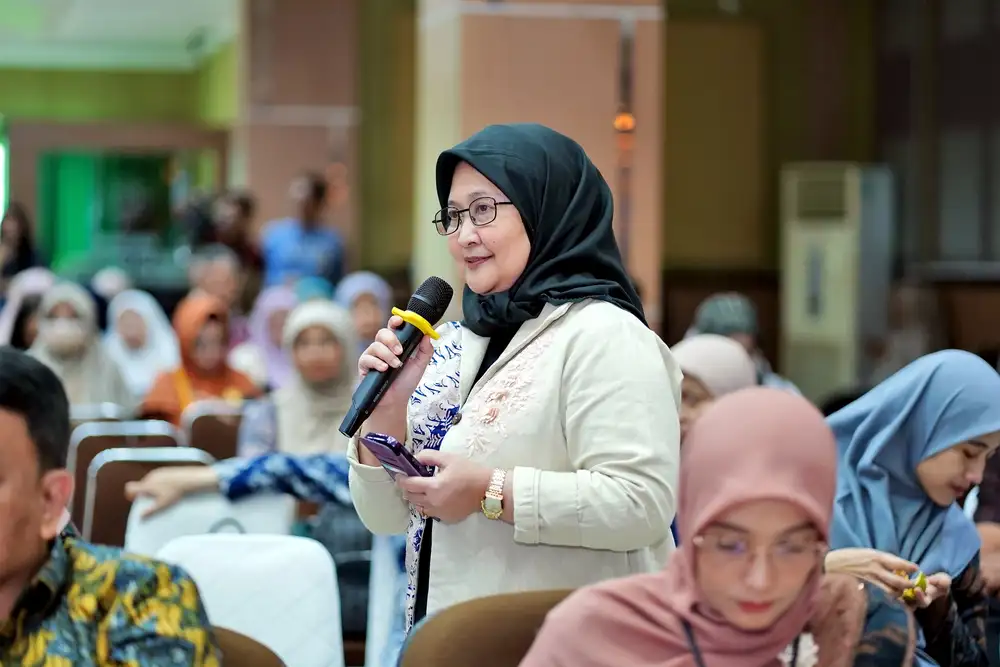
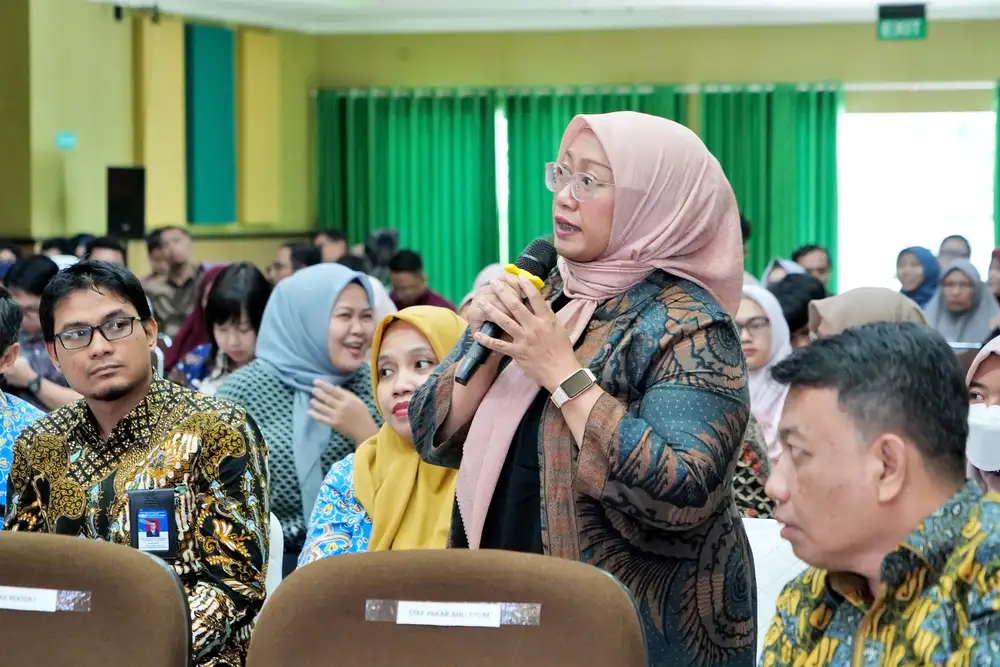
"There has been quite a lot of herbal research at UNS, but how is its sustainability? We at UNS really need guidance from competent parties, one of which is the Indonesian Food and Drug Authority (BPOM)," Prof. Reviono said.
 |
 |
 |
(Swipe for the next photos)
Public Relations of FK UNS